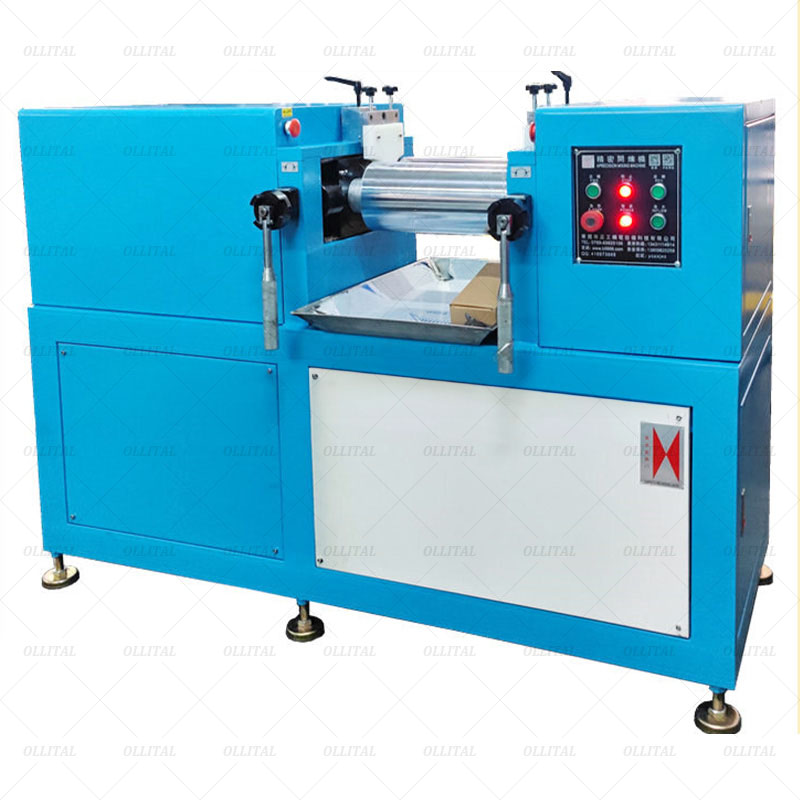
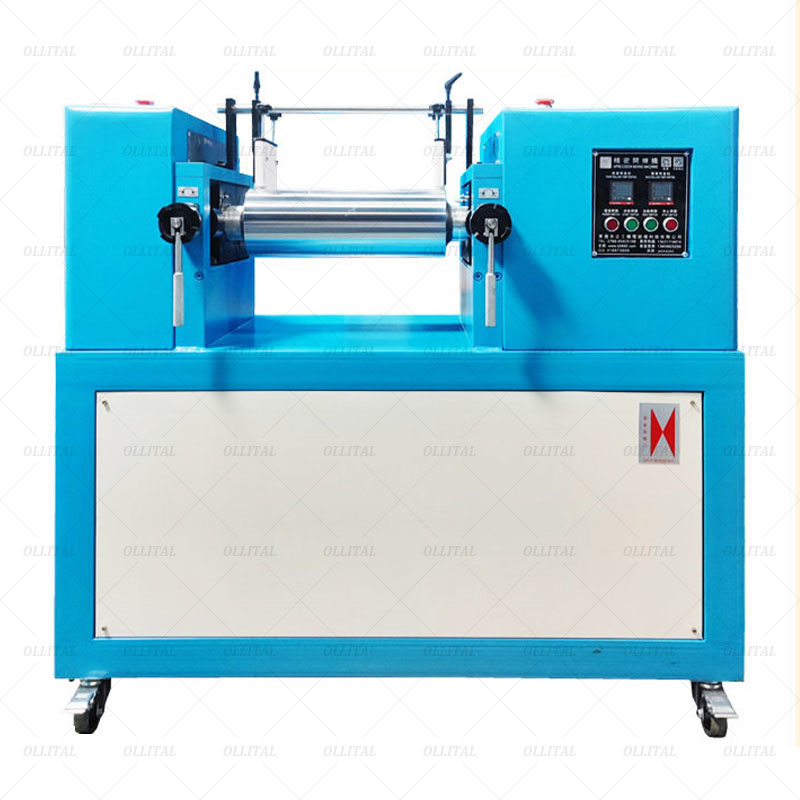
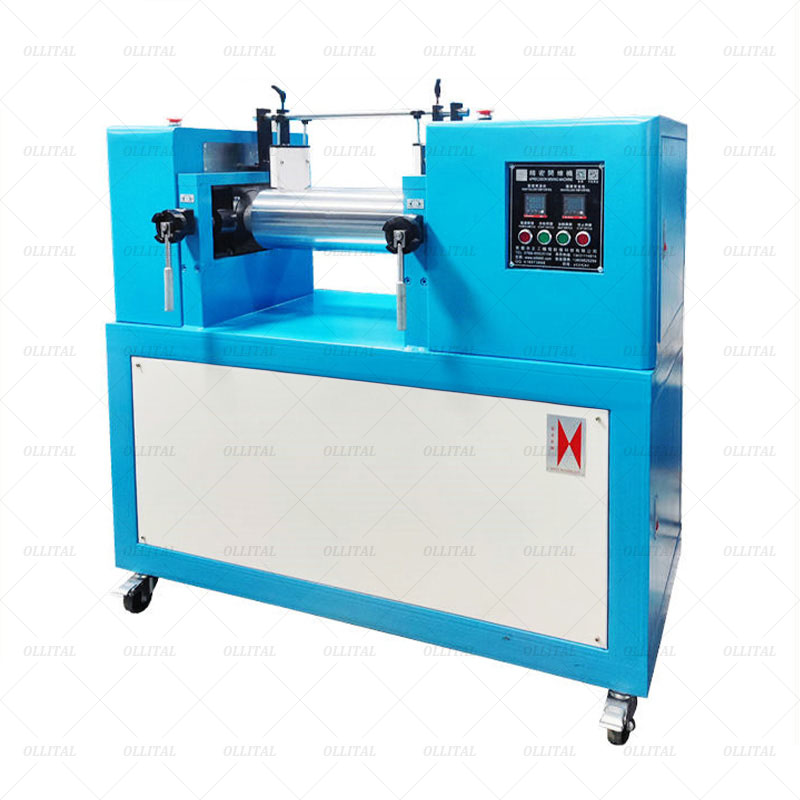
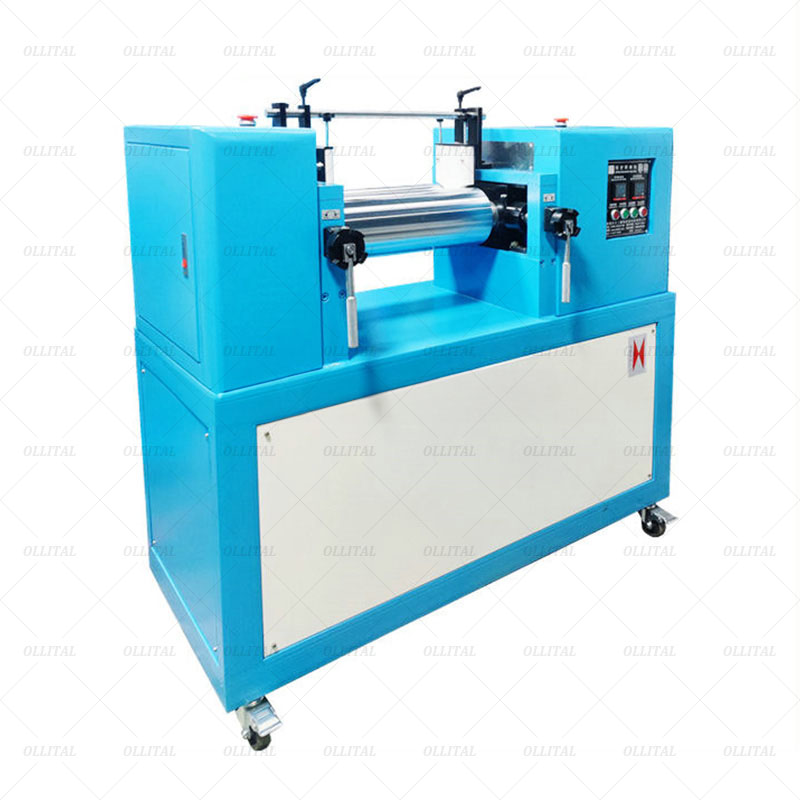
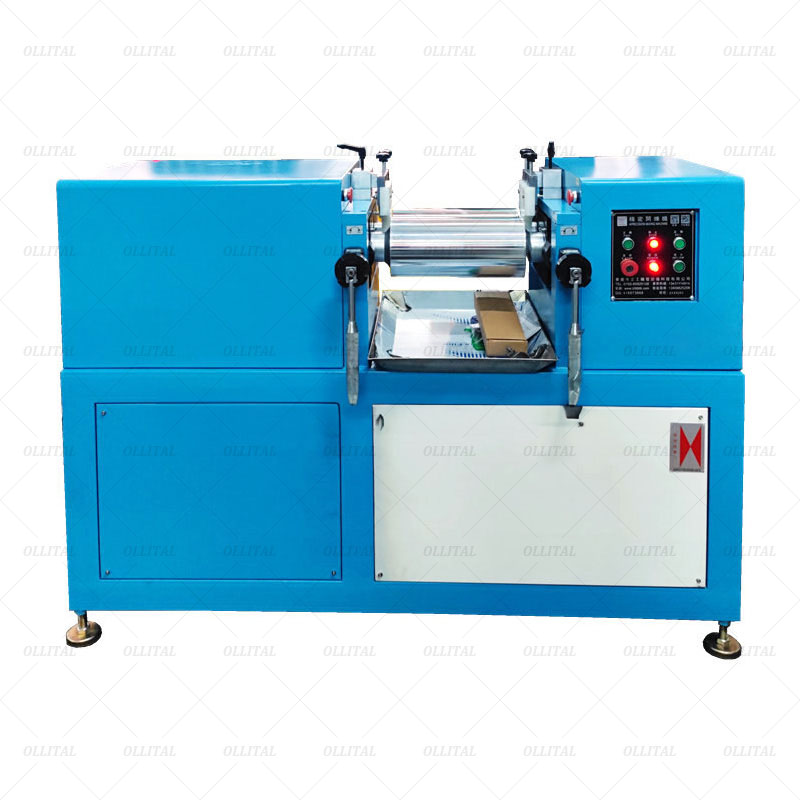
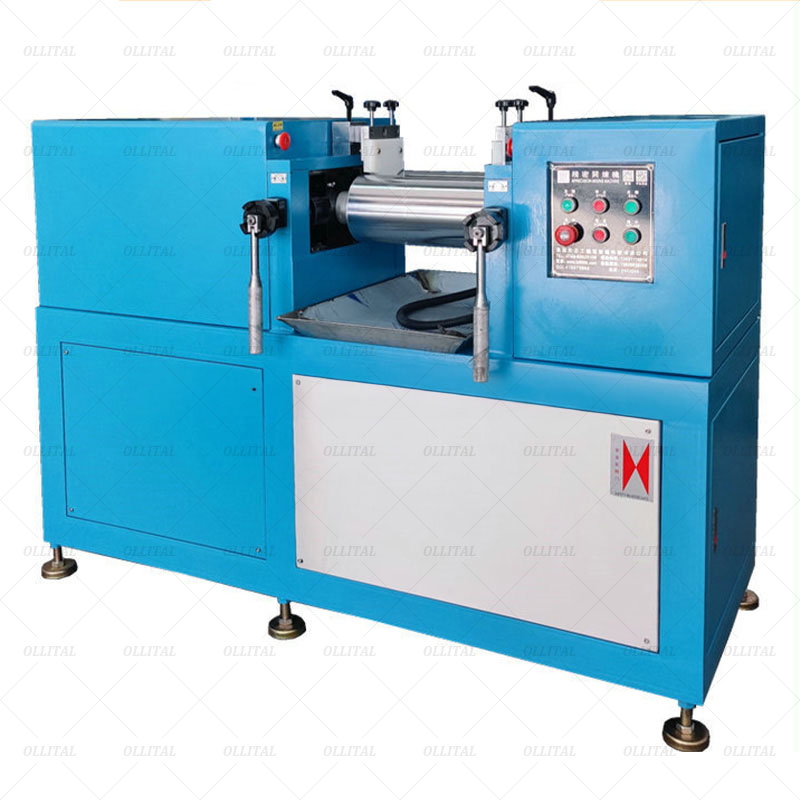
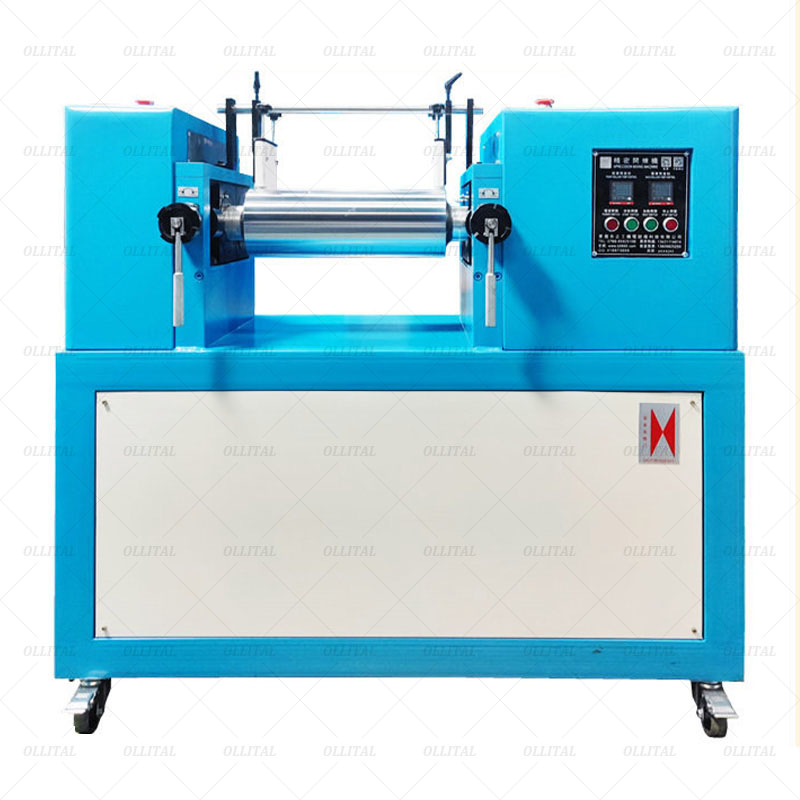
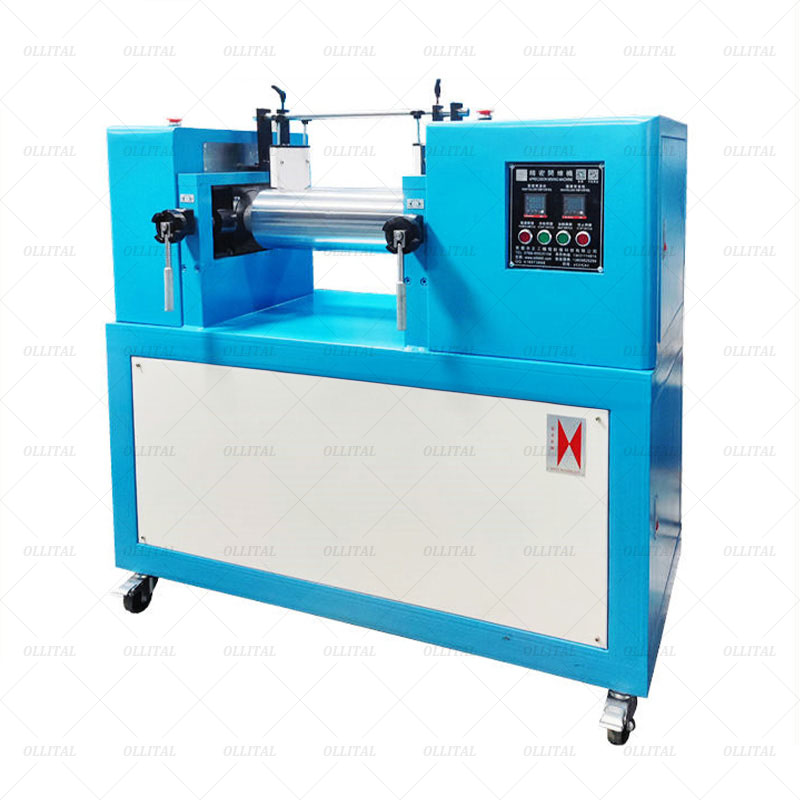
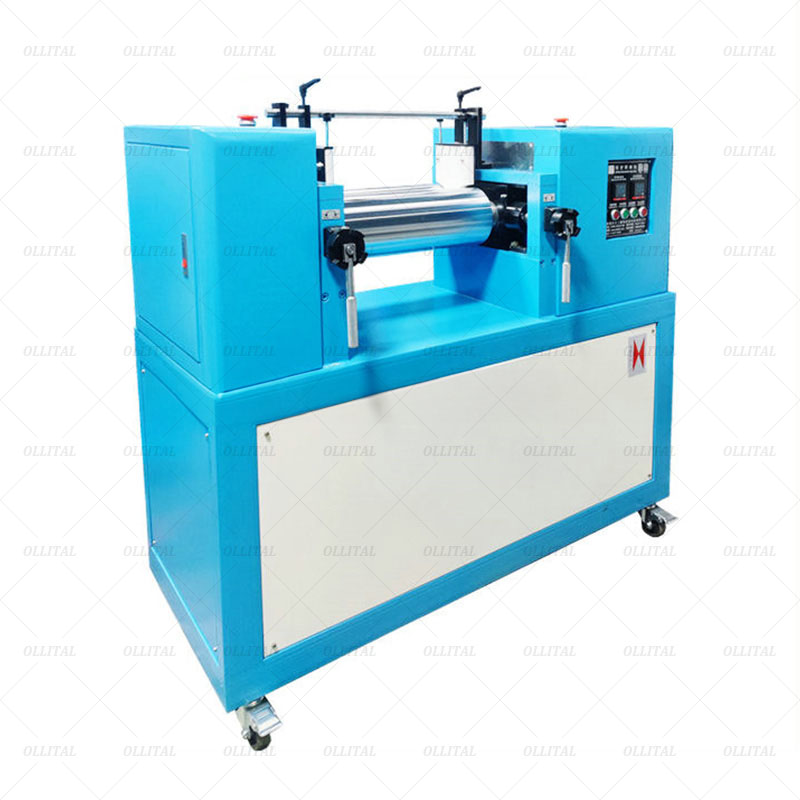
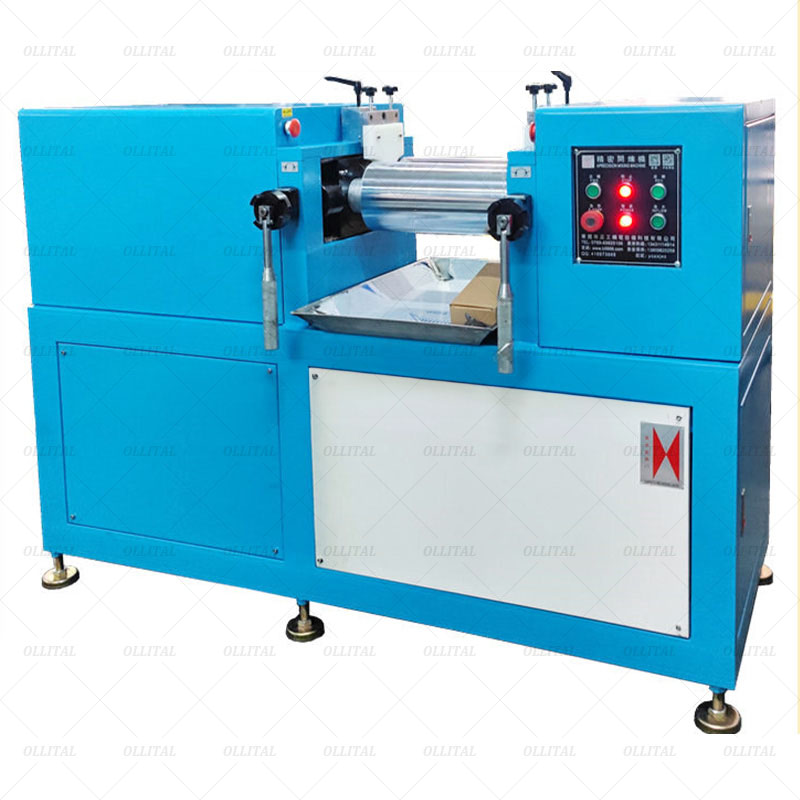
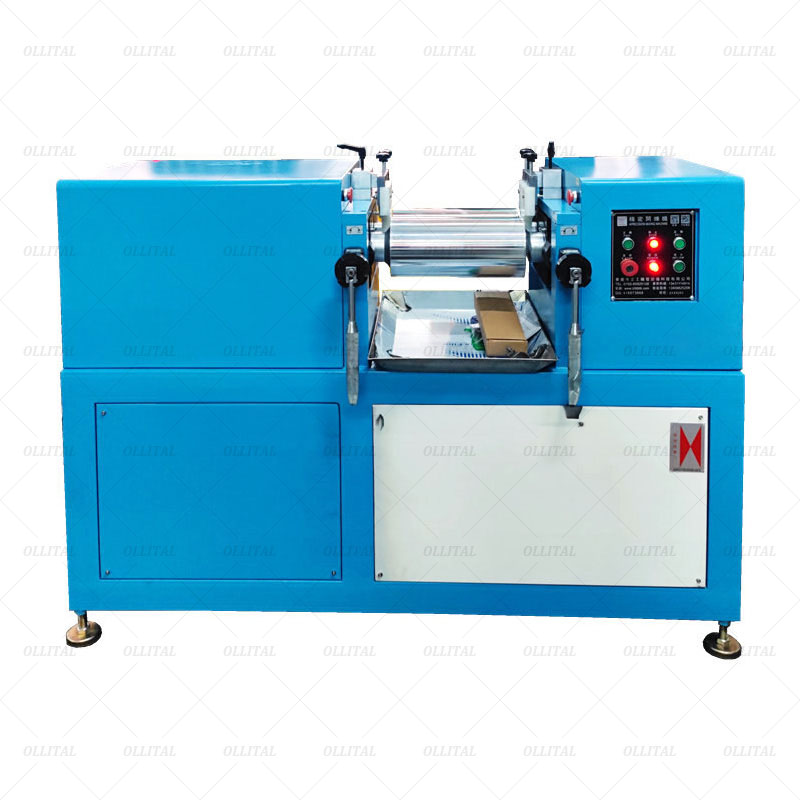
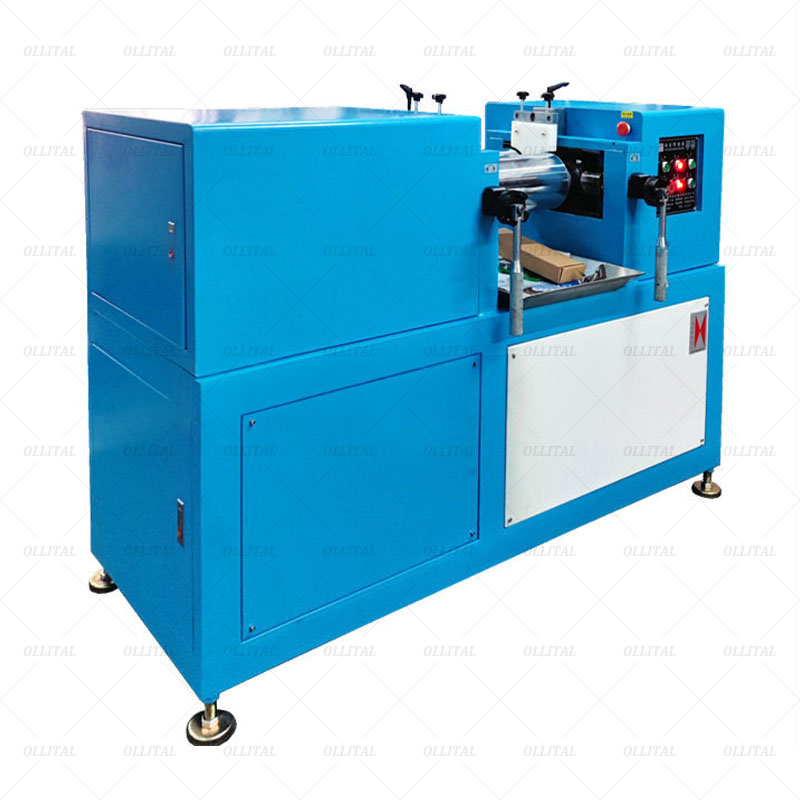
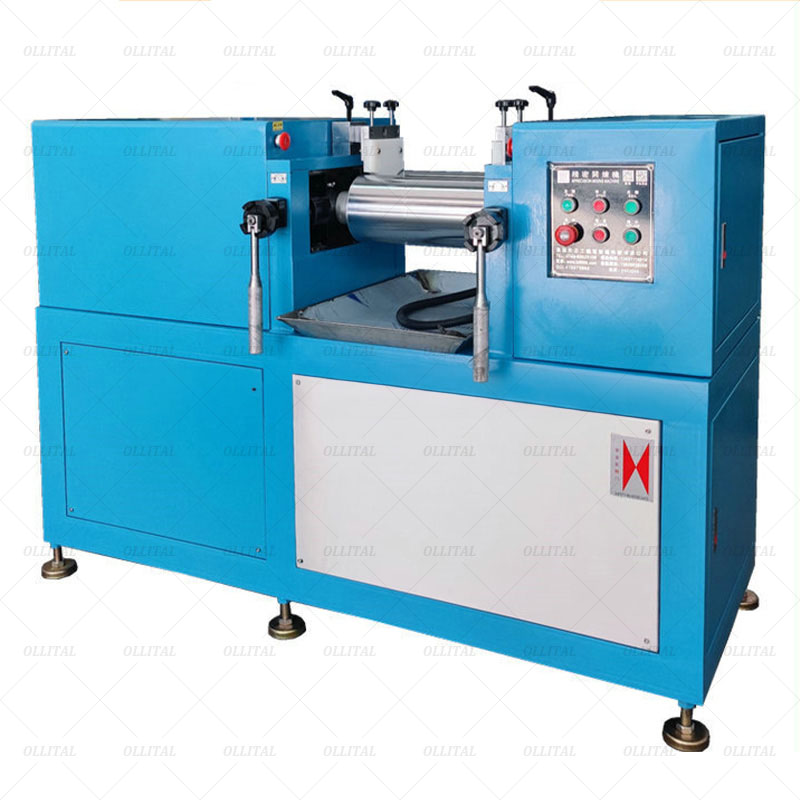
The Oil Heated 6 Inch Laboratory Plastic Open Type Two Roll Mill is an advanced laboratory-scale mixing and kneading equipment widely used in the rubbe...
| Brand: | OLLITAL |
| Model: | OLT-ZG160YR |
| Warranty: | 1 year |
| Delivery time: | 7-15 days |
| Weight: | 660kg |
| Total power: | 2.2Kw or customized |
| Voltage: | 220V/50Hz or customized |
| Length, width and height: | 1100*580*1380 mm |
| Control mode: | Customize fixed speed or add variable speed drive |
| Applicable to: | Mixing, plasticating, grinding, stirring and blending of rubber, plastic and other materials |
* All our products can be customized according to drawings and requirements.Contact our engineers now to find out the most suitable and cost-effective solution !
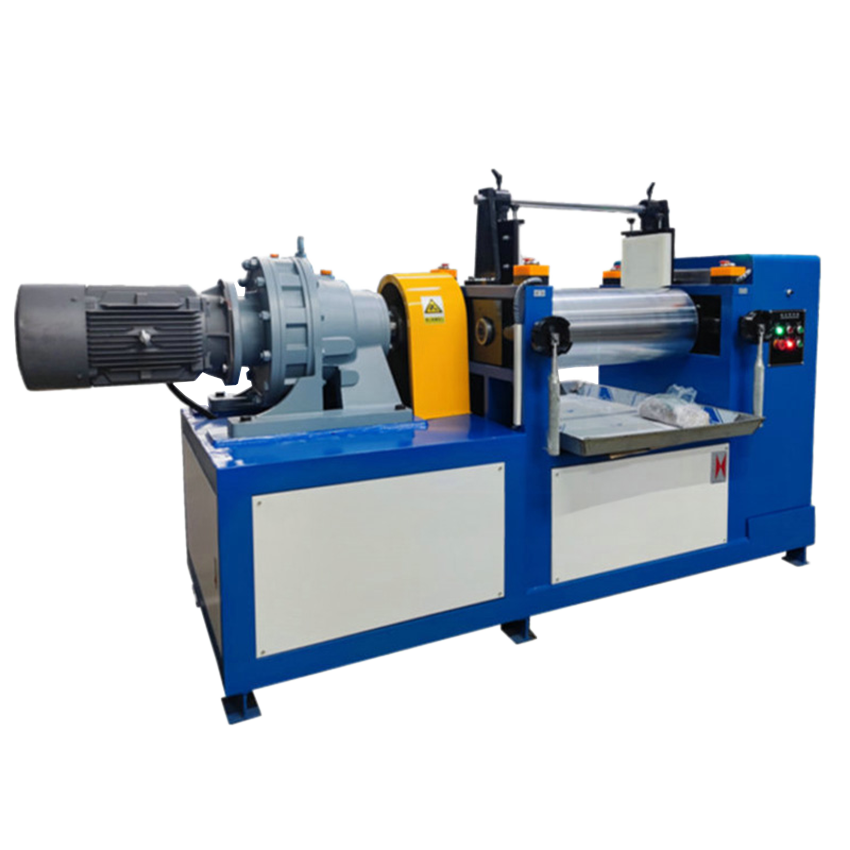
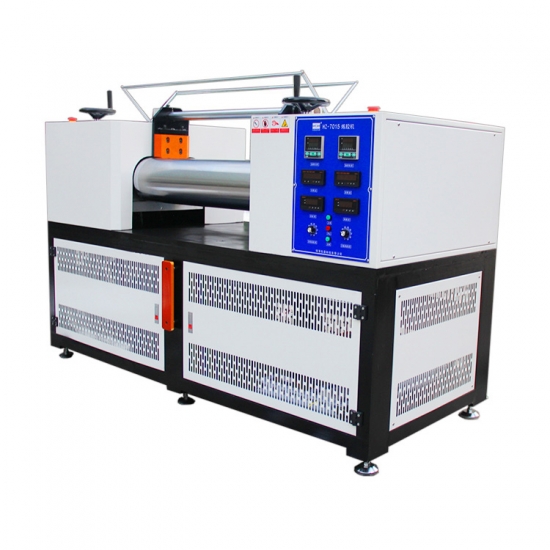
The Oil Heated 6 Inch Laboratory Plastic Open Type Two Roll Mill is an advanced laboratory-scale mixing and kneading equipment widely used in the rubber, plastic, and polymer industries. It is designed to efficiently blend and process materials such as rubber compounds, plastics, and chemicals by providing precise control over the material temperature and mixing process. The oil heating system enables accurate temperature control, which is essential for achieving optimal material processing conditions.
The 6-inch Oil Heated Two Roll Mill features two large parallel rollers, with a diameter of 6 inches (approximately 150 mm). These rollers rotate in opposite directions and are heated via an oil circulation system, allowing for stable and uniform temperature control. The mill is widely used for material preparation, rubber compounding, blending plastics, and mixing chemical compounds in research, development, and small-scale production environments.
Roller Diameter: 6 inches (150 mm)
Heating System: Oil heating system for precise temperature control
Machine Type: Open-type, allowing full visibility during operation
Use Case: Ideal for laboratories, small-scale production, and research applications in the rubber, plastic, and polymer industries.
Larger Capacity: With a 6-inch diameter, the rollers can process larger amounts of material compared to smaller mills, making it suitable for higher-volume laboratory tests or small batch production.
High Precision: The larger roller size allows for finer control over material processing, providing better mixing and kneading performance.
Precise Temperature Control: The oil heating system ensures uniform and stable heating of the rollers, which is essential for maintaining consistent material properties during processing. It prevents overheating and ensures that the material does not degrade due to high temperatures.
Efficient Heating: Oil heating offers better thermal conductivity than water-based systems, ensuring quicker and more consistent heating across the rollers.
Adjustable Temperature Settings: The temperature of the rollers can be easily adjusted and controlled to suit the specific requirements of different materials and formulations.
Improved Visibility: The open-type design allows operators to observe the material processing in real-time. This design is particularly beneficial in laboratory settings where adjustments may need to be made based on the material’s behavior.
Easy Loading and Unloading: The open structure also facilitates quick and easy loading and unloading of materials, increasing the overall efficiency of the mixing process.
Durability and Resistance: The rollers are typically made from high-strength alloy steel, often chrome-plated or nitrided to enhance wear resistance and prolong the life of the equipment.
Superior Performance: The high-quality surface treatment of the rollers ensures minimal material adhesion and easy cleaning after each use, preventing contamination and material degradation.
Multiple Materials: The 6-inch mill is suitable for processing various materials such as rubber compounds, plastics, thermoplastic elastomers (TPE), thermoplastic polyurethanes (TPU), and chemical additives.
Ideal for Laboratory Research: It is commonly used in research laboratories to prepare material samples, create test batches, and develop new material formulations.
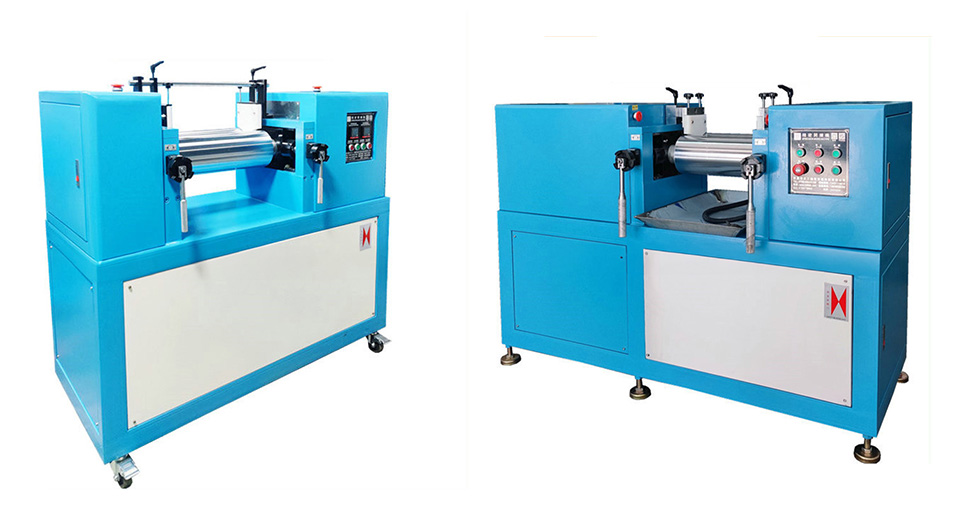
Material Feeding: Materials (such as rubber, plastic, or polymer granules) are introduced into the gap between the two rollers.
Roller Rotation: The two rollers rotate in opposite directions, generating shearing and compressive forces that knead and mix the material.
Oil Heating System: The oil circulation system heats the rollers to a precise temperature, maintaining the ideal conditions for material processing. The oil temperature can be controlled to ensure the material reaches the optimal viscosity for mixing.
Material Processing: As the material moves through the gap between the rollers, it is thoroughly mixed, refined, and kneaded to achieve the desired consistency and properties.
Discharge: After sufficient mixing, the material is discharged from the rollers, either manually or using an automatic discharge system. The material may be processed further depending on the specific requirements.
| Parameter | Specification |
| Mixing Capacity | 0.2—2.8 kg |
| Roller Temperature | Ambient Temperature to 300°C |
| Heating Method | Oil heating (New process design, automatic constant temperature control) |
| Temperature Accuracy | ±2°C (PID intelligent microcomputer control system with automatic constant calculation, higher precision than manual settings, includes over-temperature protection to protect machinery and materials) |
| Roller Speed | Fixed speed of 19 RPM, with optional variable frequency speed control; other speeds can be customized |
| Roller Speed Ratio | 1:1.35 (can be customized according to customer requirements) |
| Roller Size | φ160mm × L350mm (High hardness surface chrome-plated treatment, non-stick material, no delamination) |
| Roller Gap | Adjustable from 0.1 to 6 mm |
| Safety Device | Multiple touch-type emergency stop buttons (reverse function, ergonomic design to prevent operator injuries) |
| Motor | 2.2 kW, 1 unit |
| Power | 10 kW |
| Dimensions | (W × D × H) 1100 × 550 × 1380 mm (smaller volume compared to traditional designs) |
| Roller Lubrication | High-durability bearings with a larger contact area, extending the service life by 2/3 compared to traditional copper sleeves |
| Mechanical Structure | Steel plate construction (lighter, more compact, higher mechanical strength and toughness than traditional cast iron) |
| Power Supply | 5∮, AC 380V |
| Weight | Approximately 660 kg |
Rubber Compounding: The mill is ideal for mixing rubber compounds, integrating additives such as carbon black, plasticizers, and curing agents into raw rubber.
Testing New Formulations: Laboratories use this mill to prepare experimental rubber blends, test new formulations, and create small batches for further testing.
Polymer Blending: It is used to blend different thermoplastics, elastomers, or additives to create customized formulations for specific applications.
Thermoplastic Elastomers (TPE) Processing: This mill is highly effective for kneading and mixing TPE, TPU, and other thermoplastic materials.
Chemical Additive Mixing: It can blend a wide variety of chemicals and polymers, mixing additives, resins, and fillers into base materials to enhance their properties.
Colorant and Filler Integration: The mill is commonly used to incorporate colorants or reinforcing fillers into polymer or rubber materials.
Material Testing: Ideal for testing small-scale formulations in research environments, enabling the development of new products and materials.
Prototype Production: Used for prototyping new materials in small batches before larger-scale production.
Tags :
Email : meiko@plastics-equipments.com
Skype : skype
Tel : +8615159245180
Whatsapp : +8615159245180




Leave A Message