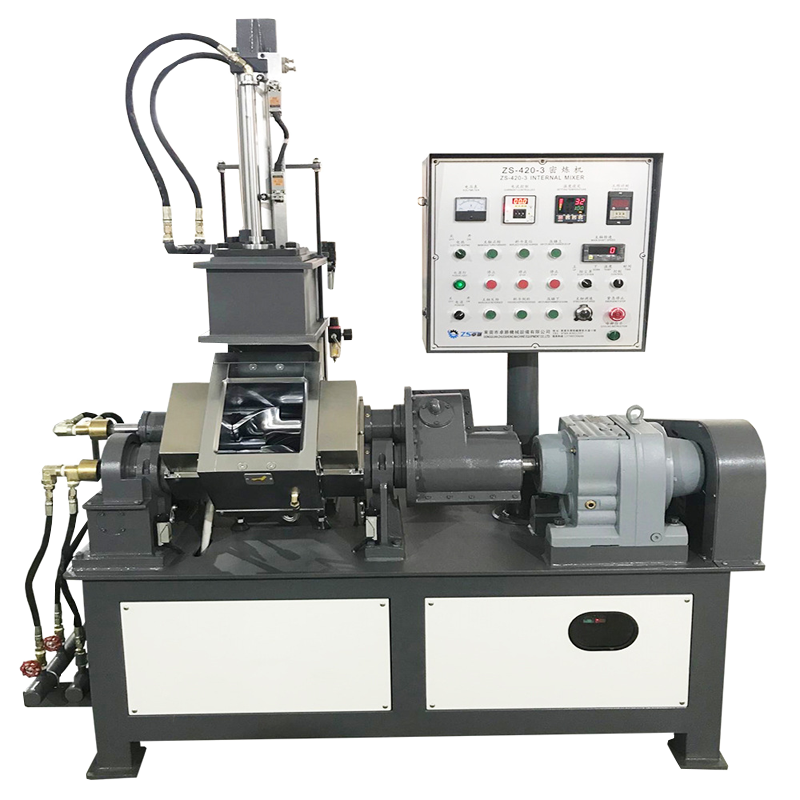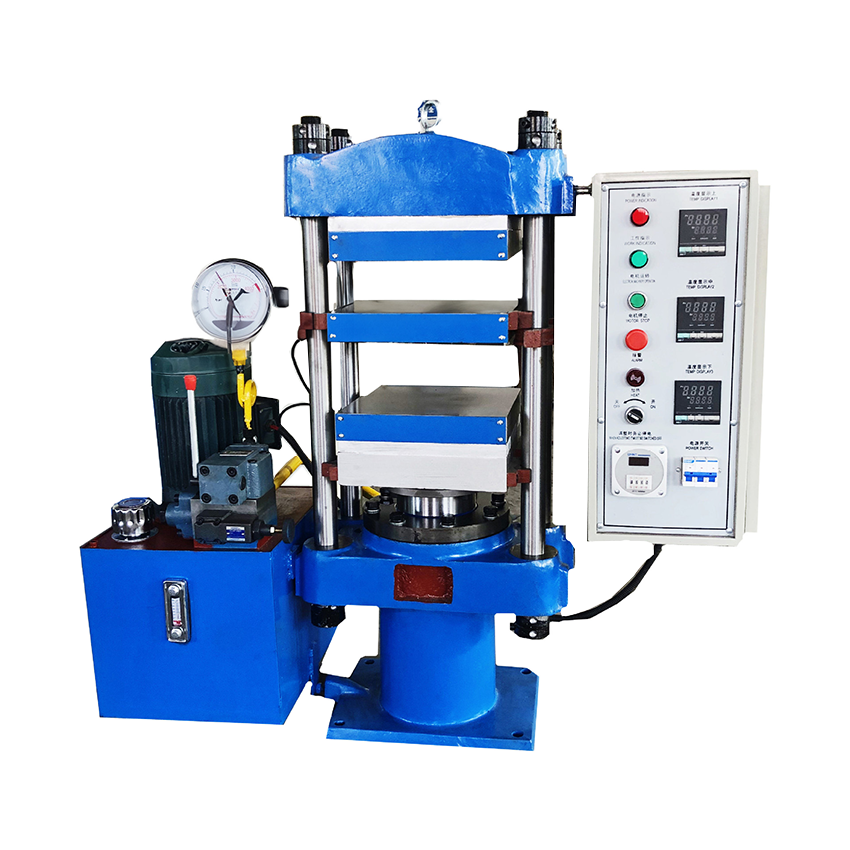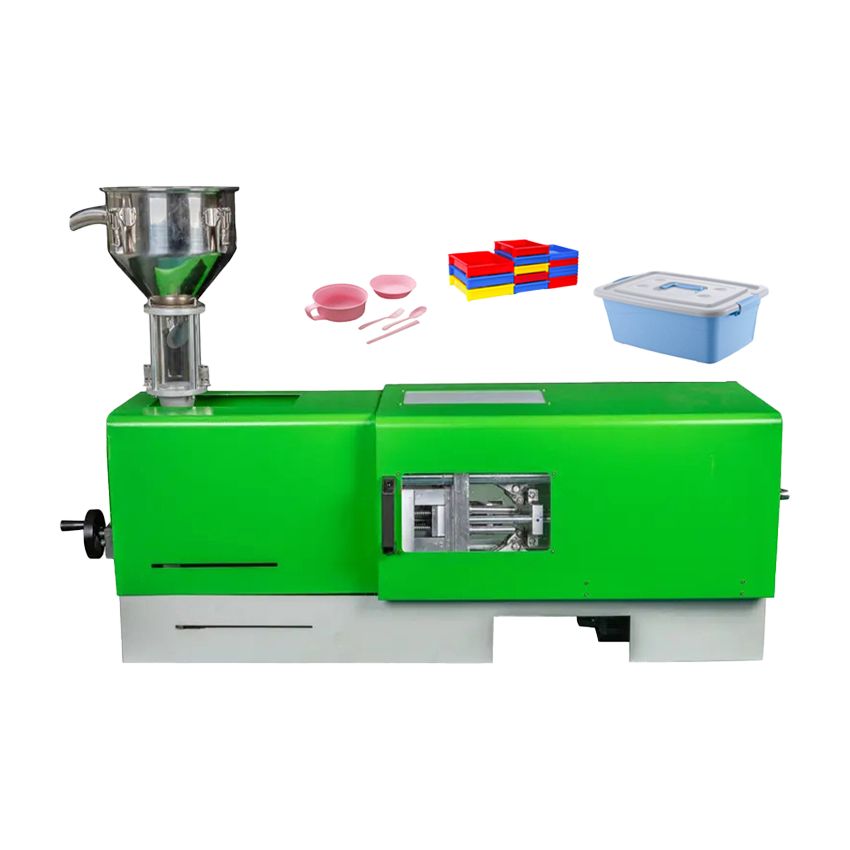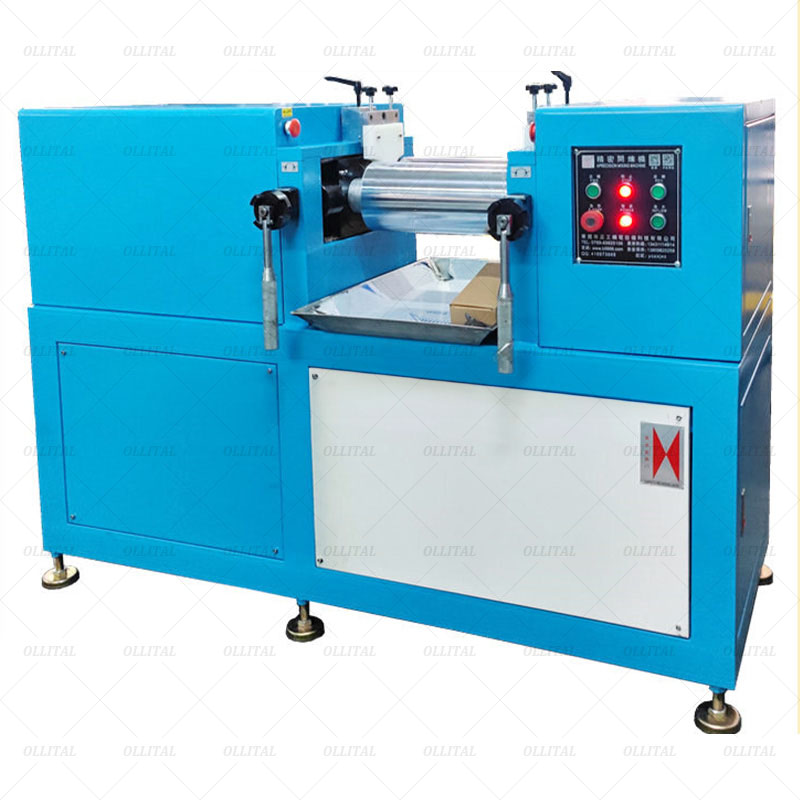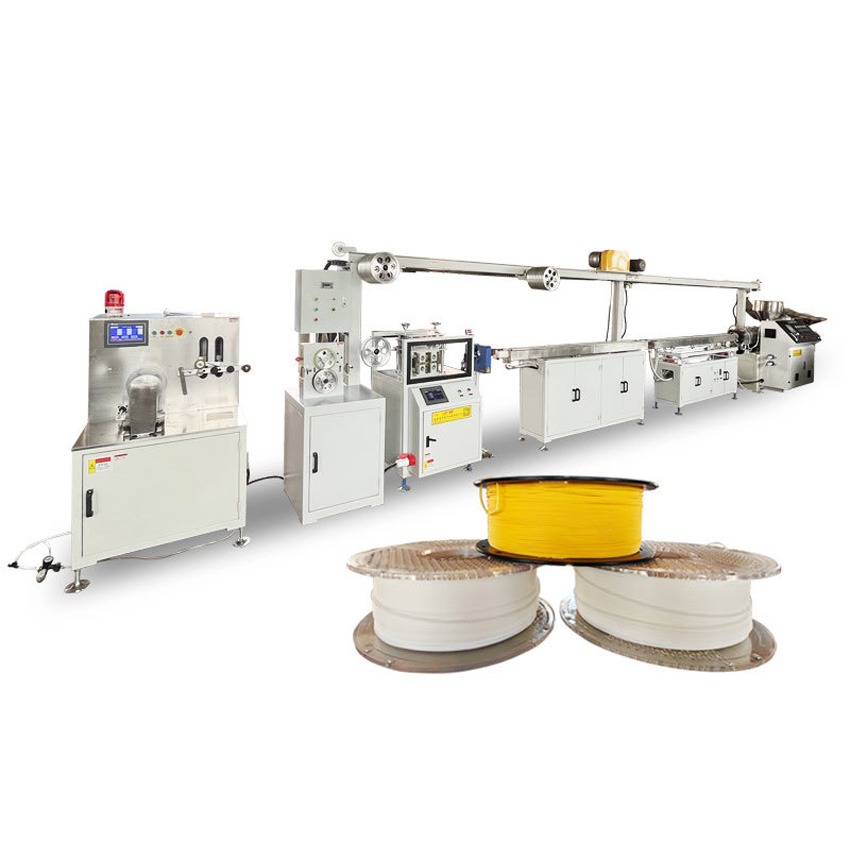
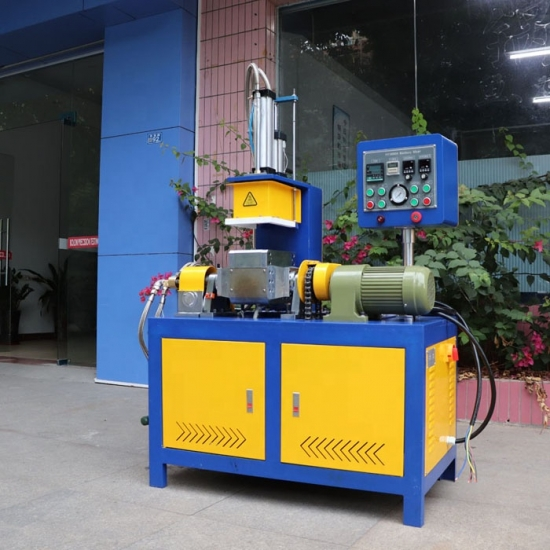
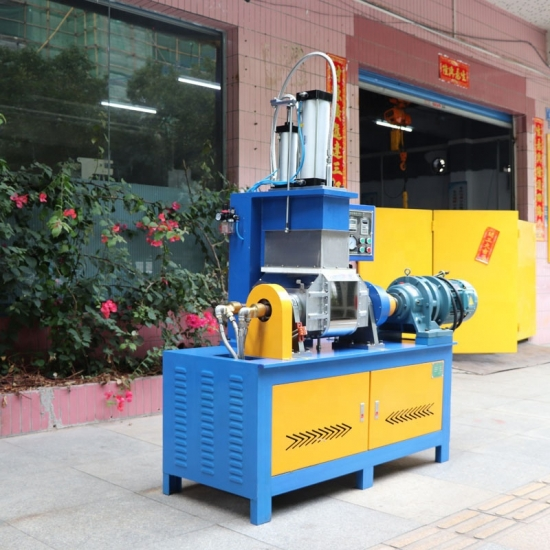
The internal mixer is a kind of machinery that is equipped with a pair of rotors of specific shapes and rotating relatively. It intermittently plastifies and mixes polymer materials in a closed state with adjustable temperature and pressure. It is mainly composed of parts such as the internal mixing chamber, rotors, rotor sealing device, feeding and pressing device, discharging device, transmission device, and machine base.
Working principle
During operation, the two rotors rotate relatively, clamping the materials from the feeding port and bringing them into the nip. The materials are squeezed and sheared by the rotors. After passing through the nip, they hit the sharp edge of the lower ram and are divided into two parts, which respectively return to the upper part of the nip through the gaps between the front and rear chamber walls and the rotors. During one cycle of flowing around the rotors, the materials are subjected to shearing and friction everywhere, causing the temperature of the rubber compound to rise sharply and the viscosity to decrease, increasing the wettability of the rubber on the surface of the compounding agents and enabling the rubber to fully contact the surfaces of the compounding agents.
Main parameters
These include the rotational speed and speed ratio of the rotors, the gap between the rotor edges and the inner wall of the internal mixing chamber, production capacity and filling coefficient, the unit pressure of the upper ram on the rubber compound, power, etc.
Operation method
First, calculate the amount of rubber to be mixed at one time and the actual formulation according to the capacity of the internal mixing chamber of the internal mixer and the appropriate filling coefficient, and then accurately weigh the amounts of various raw materials. Turn on the power and heating switch for preheating, and check whether the relevant systems are normal. After preheating, lift the upper ram and put in the raw rubber, lower the ram and mix the rubber for a period of time. Then, add small ingredients, carbon black or fillers, liquid softeners, etc. in sequence and continue mixing. Finally, discharge the rubber and record the relevant data.
Influencing factors
The quality of the mixed rubber compound is affected by factors such as the charging capacity, feeding sequence, pressure of the upper ram, structure and type of the rotors, rotational speed, mixing temperature, and mixing time.
Types
It can be divided into open internal mixers, closed internal mixers, vertical internal mixers, and horizontal internal mixers.
Internal mixers are mainly used in the following aspects:
- Production of tires: It is used to mix rubber with various additives such as carbon black, sulfur, and accelerators to improve the wear resistance, strength, and elasticity of tires.
- Manufacture of rubber products: In the production of rubber hoses, belts, seals, etc., internal mixers are used to evenly mix rubber and fillers to ensure the quality and performance of products.
- Preparation of plastic compounds: Internal mixers are used to mix plastics with additives such as stabilizers, plasticizers, and colorants to improve the properties of plastics and meet different application requirements.
Email : meiko@plastics-equipments.com
Skype : skype
Tel : +8615159245180
Whatsapp : +8615159245180




Leave A Message